Misophonia isn’t easy to live with, but it can be even harder for parents and loved ones to understand. For those who don’t have misophonia there seems to be a miscommunication with how upsetting trigger sounds (and visuals) actually are for those suffering. Adages like “nails on a chalkboard” do little to help bridge the gap between misunderstanding and knowledge. Rather than an annoyance for persons with misophonia the fight-flight-freeze response is an all body and mind encompassing event.
I will try to describe being triggered as best I can for those who do not have misophonia. For those who do, please feel free to leave comments about your experiences and how they differ or are similar.
When I am triggered by a sound, I first feel my entire body tense up. It feels as though all oxygen has left the room. The pinging of the sound in my ears causes what feels like a sharp pain. I gasp for breath and my muscles begin to tense. I feel as though my entire body is being squeezed. Then, the panic sets in. I am hyper alert and trying to see where the offending noise is coming from. Once I have identified the source I may feel angry, defeated, or exhausted. If the sound is completely unnecessary—such as whistling—I will feel even worse because the pain feels pointless and like it could be avoided entirely. If the sound is rude (like chewing with your mouth open), I may also feel like the person making the trigger is doing it on purpose. These emotional reactions come after the trigger has already brought my entire body into fight-flight-freeze.
And what happens if I cannot escape the sound, make it stop, or otherwise go back to homeostasis? There is a lingering tiredness, migraines may pop up, and I’ve found myself feeling as sick as I would with the flu sometimes for days, and even a week after the event. We do not simply get over being triggered immediately, even as our nervous systems are brought back to a calmer state. Instead, we feel the aftermath of this physical onslaught. We do not hate sounds and we are not afraid of them, rather for those of us with misophonia, we are dealing with the traumatic nature of constantly going in and out of fight-flight without any positive control over our environment.
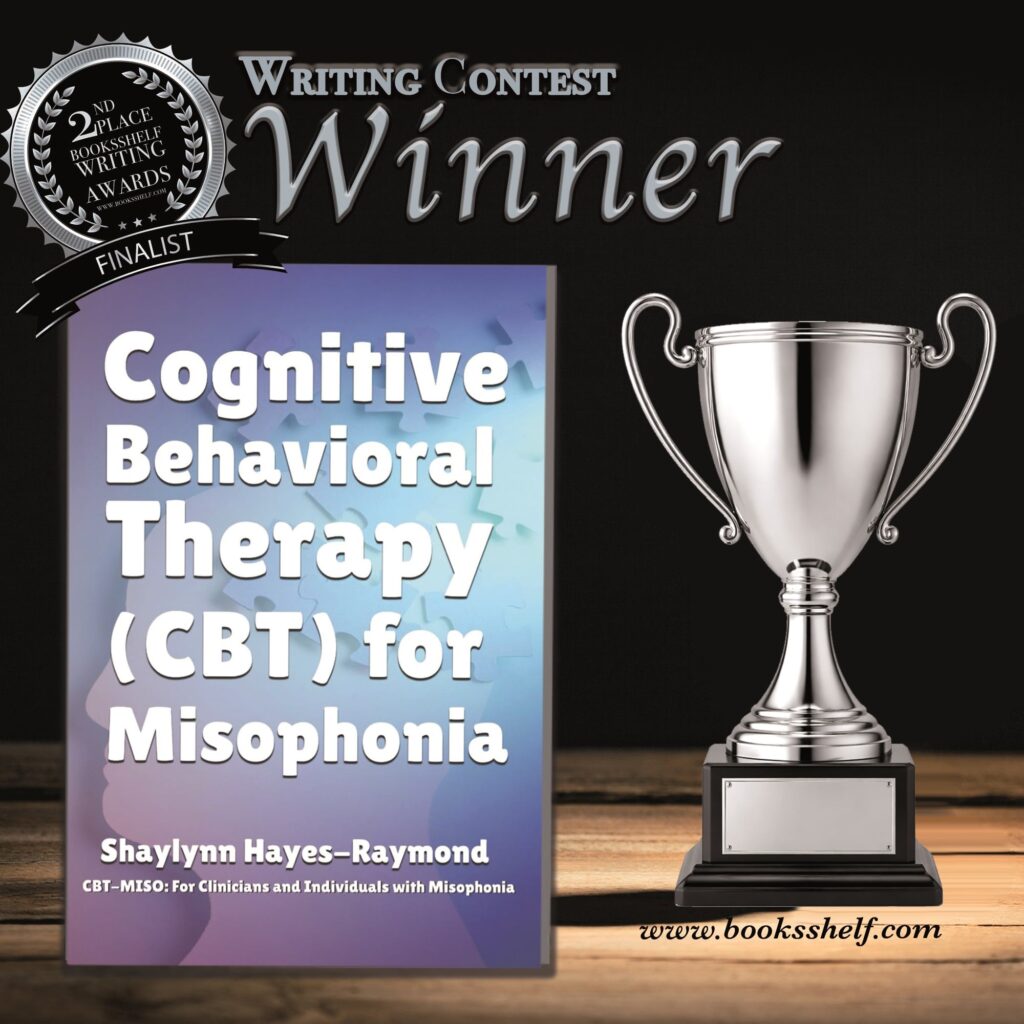
If you are looking for misophonia coping skills, you can go here to see coaching (worldwide) and here to see therapy (Canada) options with Shaylynn Hayes-Raymond. Shaylynn also offers both live and on-demand webinars for misophonia.